East Java
Indonesia
BLUE SWIMMING CRAB TRAP
Location & History
Blue Swimming Crab (BSC) fisheries have been an essential part of East Java’s coastal communities for generations. Using traditional traps, these fisheries have evolved to integrate sustainable practices while maintaining their cultural heritage. In collaboration with APRI (Asosiasi Pengelolaan Rajungan Indonesia), efforts have been made to organize and manage the fisheries, ensuring traceability and responsible harvesting practices. Since partnering with APRI, these fisheries have implemented significant improvements, such as data collection and best management practices, to meet sustainability standards and maintain the health of crab populations. The fisheries operate along the East Java coast within Indonesia’s marine ecosystems, supporting both local livelihoods and global demand for sustainably sourced crab products.
How is the Blue Swimming Crab Caught?
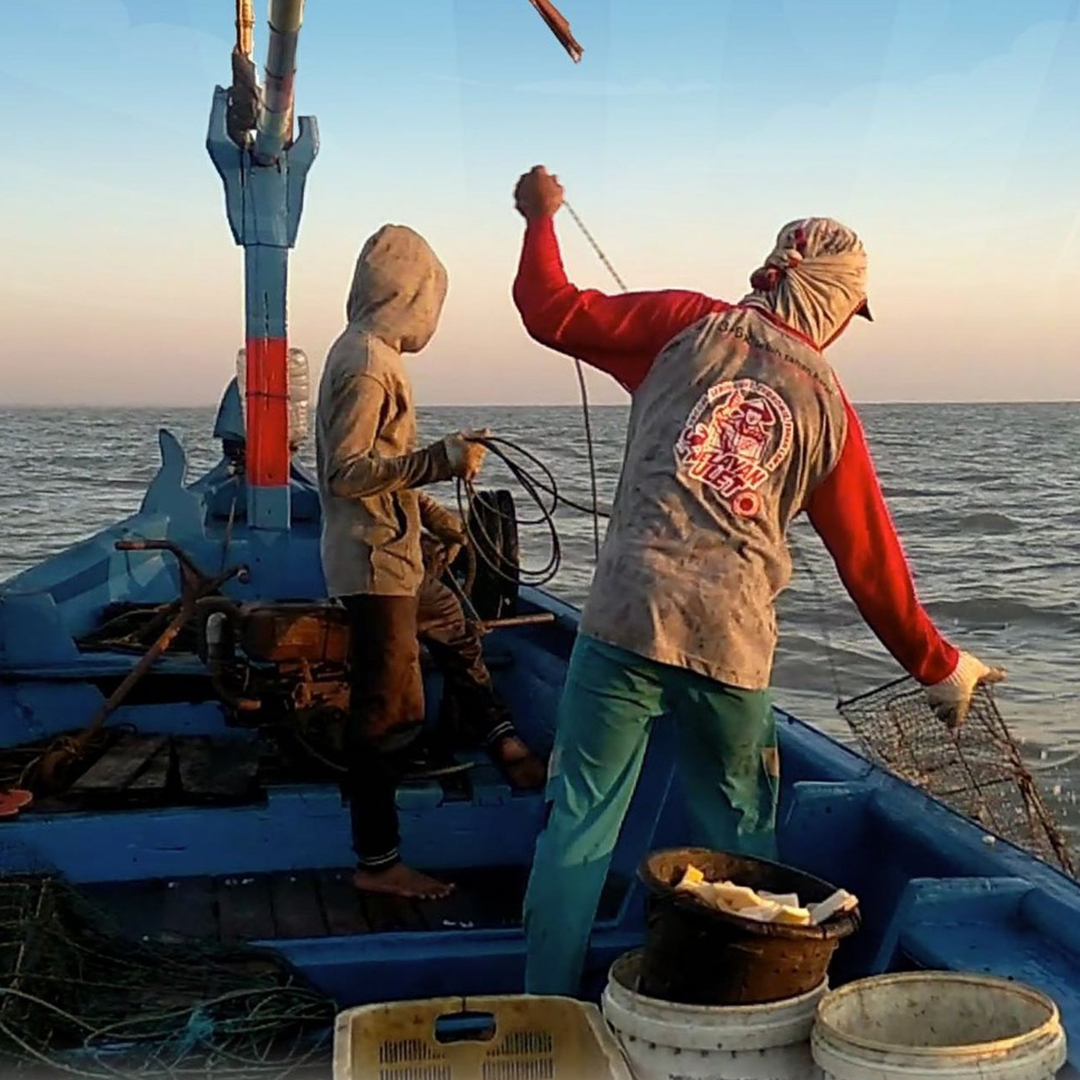
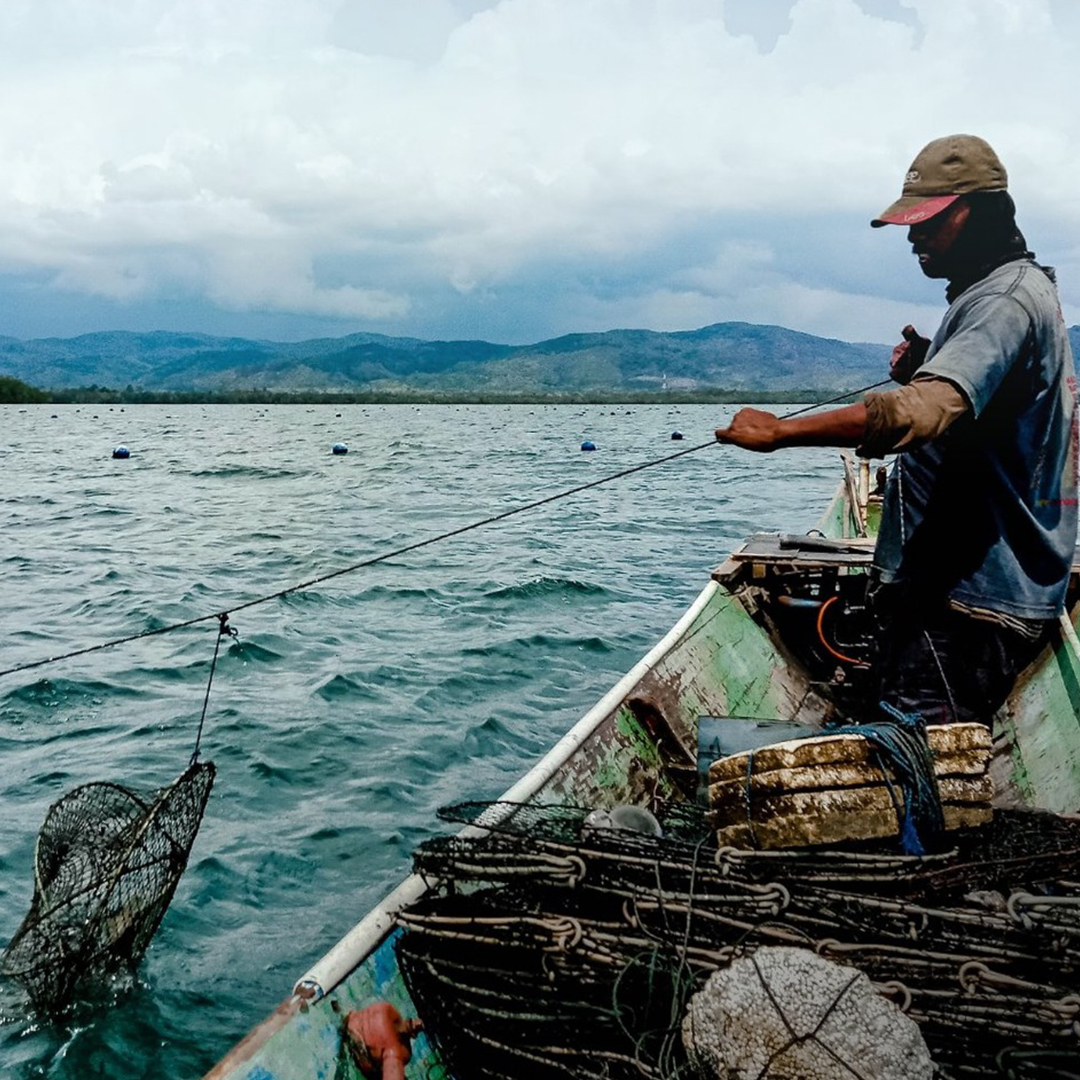
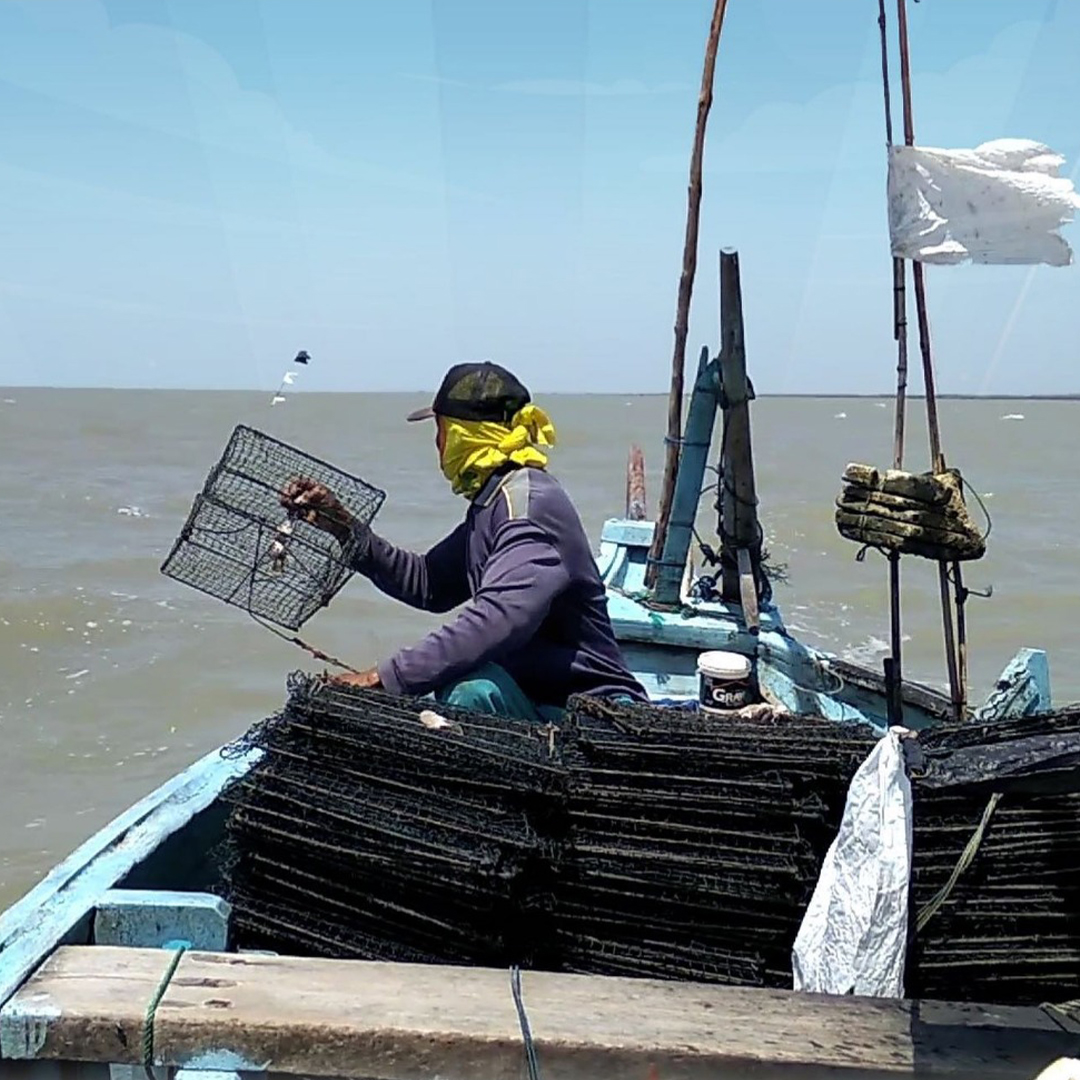
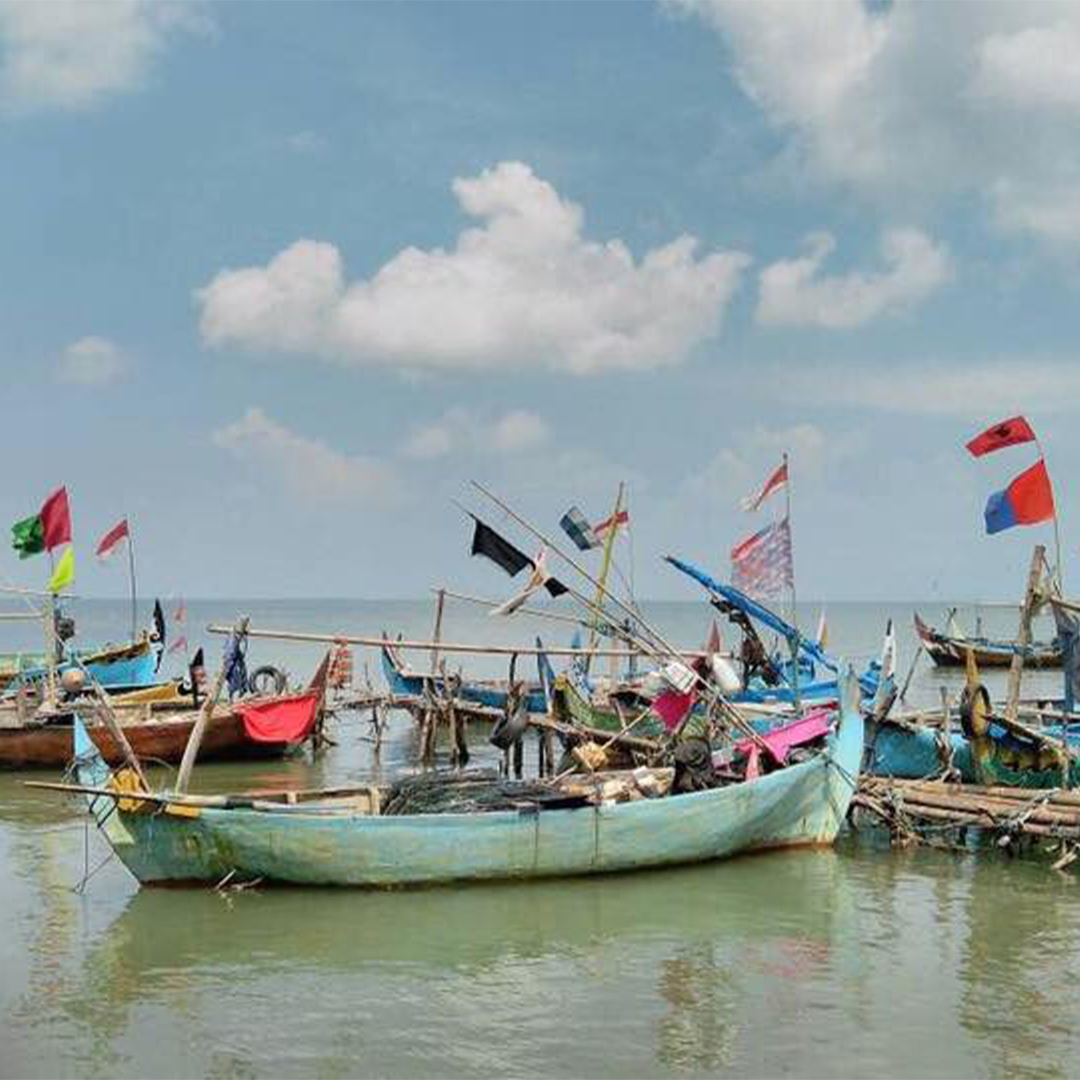
All the Blue Swimming Crab (BSC) from this fishery is caught using traditional traps carefully designed to minimize environmental impact. The traps are selectively baited, allowing fishers to target crabs while reducing bycatch. These fishing methods align with sustainable practices, supporting both the marine ecosystem and the livelihoods of local communities.
Catch rates are closely monitored upon landing to ensure compliance with sustainable harvest limits and to track the health of the crab population. Fishers typically operate small, artisanal vessels crewed by one to three individuals. Fishing trips range from a single day to several days, depending on the location and weather conditions, with typical catches varying based on effort and vessel capacity.
Upon returning to shore, the crabs are immediately sorted by size and quality. They are then transported to local processing facilities, where they are prepared for export or domestic markets. This fishery’s partnership with APRI ensures the implementation of best management practices, rigorous traceability systems, and continuous improvements to uphold sustainability standards.
Unique Features & Fun Fact
The Blue Swimming Crab (BSC) fishery in East Java plays a vital role in supporting local communities, providing jobs both at sea as fishers and on land in the processing sector. These activities boost economic growth and create sustainable opportunities, strengthening the livelihoods of coastal communities. This fishery is one of Indonesia’s largest and most well-organized for Blue Swimming Crab, utilizing traditional traps and gillnets to ensure sustainability and quality. Our fishery operates in the nutrient-rich waters of East Java, within FMA 712, known for its exceptional marine biodiversity. This region’s unique oceanographic conditions create ideal habitats for Blue Swimming Crabs.
On this page
- Gallery
- Meet the Fishers
- Typical Vessels
- Fleet Capacity
- Target Species
- Fishing Gear
- Traceability
- Fishery Association
Typical Vessels
Parameter
Specification/Range
Boat Size (GT)
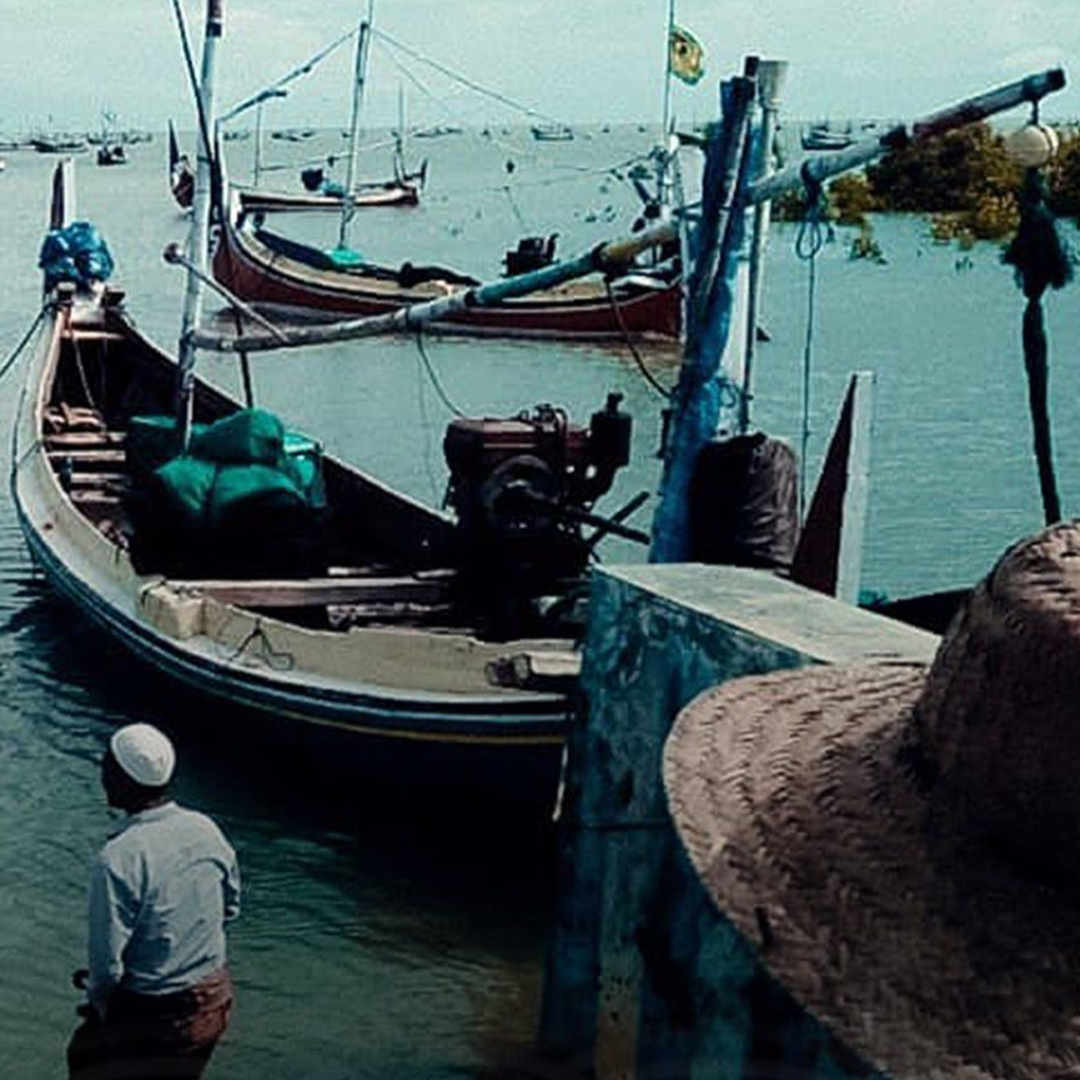
< 10 GT (mostly < 5 GT)
Crew Size
1–3 persons
Fishing Method
One-day fishing
Fishing Schedule
Afternoon–Evening / Morning–Afternoon
Engine Type
Outboard/Inboard Engine
Engine Details
Typically 5–50 HP
Meet the Fishers
Budi Kurniawan
Profession: Fisher
Location: North Sulawesi, Indonesia
Only knows fishing, everyone in the family is a fisher.
Fleet Capacity
8851.90 MT
Annual Catch Volume (metric tonnes)
181
Number of Vessels
1725
Local Employment
Target Species
Blue Swimming Crabs
Blue swimming crab is a brachyuran crab in the Portunidae family. Crabs from this family are usually recognized by their flat, disc-shaped hind legs, which are used as paddles for swimming, and by the nine spikes (aka horns) along their carapace, on either side of their eyes. Males are bright blue in color with white spots and characteristically long chelipeds, the females are a duller green/brown with a more rounded carapace. Spawning occurs year-round, with peak spawning seasons in Indonesia typically between May and October. Female blue crabs mate only during molting, and the male crabs carry and protect them until molting and mating occurs. Blue swimming crab is common throughout the Indo-Pacific in inshore and continental shelf habitats, including sand, mud, algae, and seagrass near reefs and mangrove areas, and is found from the intertidal zone to depths of 70 m. The species matures quickly (about 1 year), has a short lifespan (about 3 years), and is a partial brooder.
Blue Swimming Crabs (Portunus pelagicus) are primarily found in warm tropical and subtropical waters, particularly in shallow coastal areas such as estuaries, lagoons, and sandy bottoms. These crabs are prized for their sweet, delicate flavor and tender white meat, which is a result of their habitat and diet consisting of small invertebrates and detritus. East Java, Indonesia, is one of the key regions for harvesting Blue Swimming Crab, where sustainable fishing practices like traps and gillnets are used to ensure the health of crab populations and marine ecosystems.
Fishing Gear
Fishing Gear
Fishing techniques for Blue Swimming Crab vary but primarily involve the use of traps. Fishers deploy baited traps in shallow coastal waters to target crabs selectively, minimizing bycatch and environmental impact. Traps designed to minimize habitat damage and allow for the release of undersized crabs. These traps are checked frequently to ensure captured crabs remain healthy and to reduce mortality rates. Traps are round or square-shaped (depending on the locality), usually measure 32 × 51 × 21 cm, are made of wire mesh or a galvanized steel frame with two funnel entrances, and are sometimes covered by a polyethylene, green, square- or diamond-shaped net. Typically, there are 150 to 400 baited traps (with fish pieces)—the number limited only by the size of the boat—that are connected to a main line, and these are set by boat on sandy bottoms to depths of 20–50 m. Traps are soaked overnight and the catch is collected on-site.
Fishery Association
What is an industry association?
Industry associations are organizations responsible for promoting and enforcing standards, regulations, and best practices within a specific sector. These associations support businesses by providing resources, educational programs, and advocacy to ensure industry compliance and growth. Additionally, they engage in lobbying efforts to influence policymakers on issues affecting the industry.
Asosiasi Pengelolaan Rajungan Indonesia (APRI)
The Asosiasi Pengelolaan Rajungan Indonesia (APRI) was established to unify and represent the Blue Swimming Crab (BSC) industry in Indonesia. As a key player in promoting sustainability and best practices, APRI ensures that the harvest and processing of BSC align with international standards. Its members include fishers, processors, and exporters, reflecting the entire supply chain.
APRI focuses on creating sustainable fisheries through measures such as promoting the use of traps and gillnets, ensuring traceability, and supporting data-driven fisheries management. The association works closely with government bodies, NGOs, and international organizations to implement conservation strategies that benefit both the marine ecosystem and the livelihoods of coastal communities.
In addition, APRI actively participates in educational programs, training sessions, and resource management initiatives to support its members. Through these efforts, APRI is committed to building a sustainable future for Indonesia’s Blue Swimming Crab fishery while ensuring compliance with international market requirements.
Regional Fisheries Management in East Java
Blue Swimming Crab Fisheries in East Java
Regional fisheries management organizations (RFMOs) are established to oversee the sustainable use of marine resources within a specific region, ensuring that fisheries operate responsibly and effectively. In the case of Blue Swimming Crab (BSC) fisheries in East Java, regional management focuses on maintaining sustainable harvests, reducing environmental impacts, and supporting local communities.
The BSC fishery in East Java operates primarily in coastal areas such as estuaries, lagoons, and nearshore waters. Management efforts in this region are guided by local and national frameworks in collaboration with organizations such as the Asosiasi Pengelolaan Rajungan Indonesia (APRI). These efforts emphasize sustainable fishing practices, including the use of traps and gillnets, to protect juvenile crabs and reduce bycatch.
APRI collaborates with local stakeholders to collect data on fish stocks, monitor fishing activity, and implement traceability systems. These initiatives aim to maintain the health of crab populations, prevent overfishing, and ensure compliance with international market standards. Through these coordinated efforts, the fisheries in East Java contribute to global sustainability goals while supporting the livelihoods of local fishers and processors.
Stock Status Reports
Yellowfin Tuna Stock Status
2021-03-25
The stock status of a fish species signifies whether a species is ‘overexploited’, ‘fully exploited’ or ‘underexploited’. Different organisations use different parameters to assign these labels. For example, the Food and Agricultural Organisation of the United Nations (FAO) deems any species to have less than 40% of it’s ‘unfished biomass’ to be overexploited.
The aim of assigning stock status to a species is to ensure that catches are kept at a level where future catches will not be affected, in other words, to maintain a healthy, viable population of fish.
In addition to biomass, spawning potential, catch trend and size-age composition may be used to determine stock status. These are important factors to consider as some species are more resilient than others and have different ecological features. For example, yellowfin tuna have a higher reproduction rate and are typically more resilient than other tuna species.